The short answer
There isn't one perfect litter box that defeats odor for every cat. Odor control comes from the whole system: a box that matches your cat's habits, a litter that traps and locks in waste, a well-ventilated spot, and a cleaning routine you can actually stick to. Start with the largest box your space allows, use a scoopable, clumping litter with activated carbon if odors are strong, and scoop at least once daily. If you follow that formula, most 'smelly box' problems resolve before they start.
How litter box design affects odor
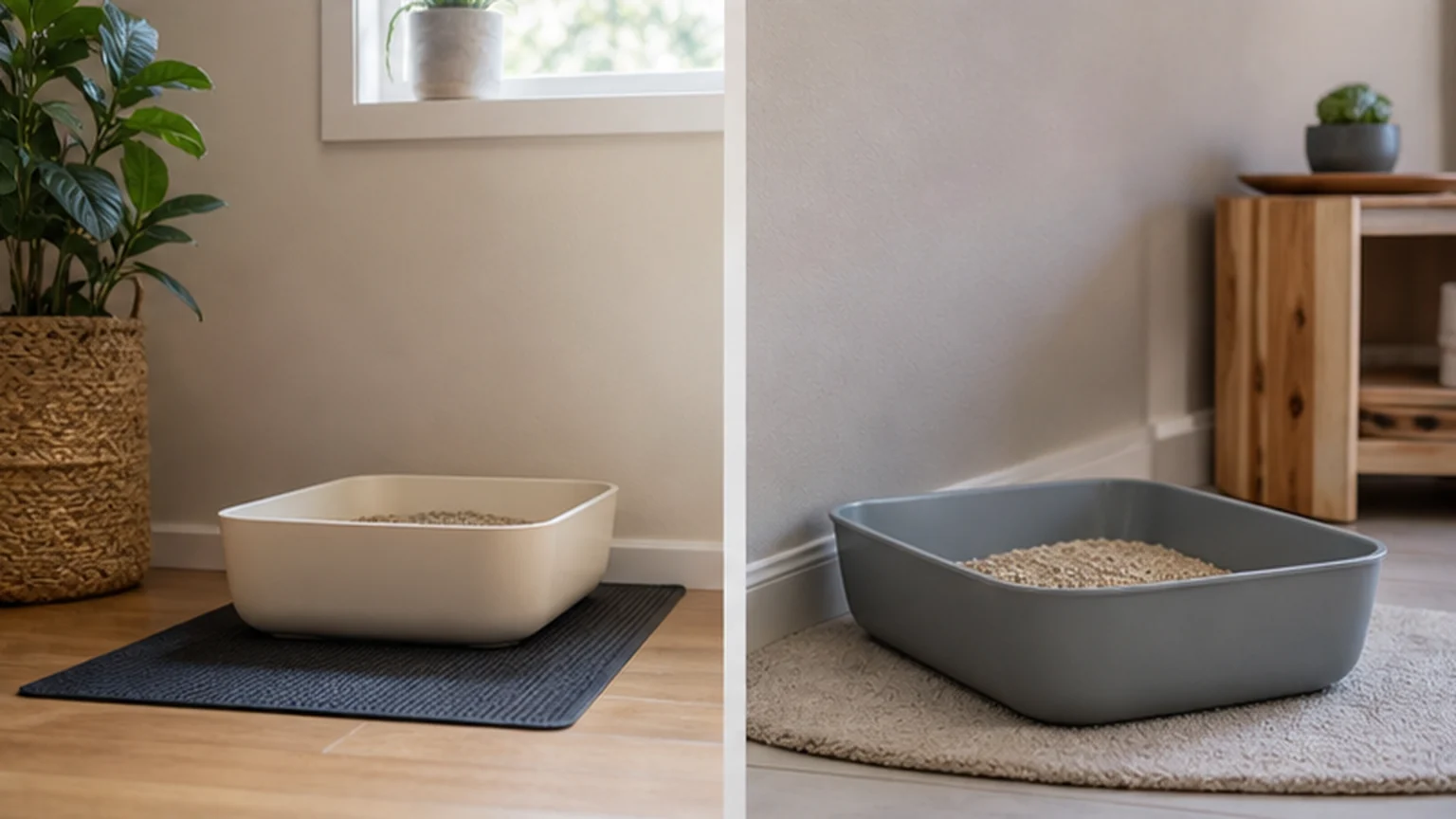
The shape and size of a litter box influence odor more than most people expect. A box that's too small means your cat may stand at the edge and pee over the side, leaving urine on floors and walls that you discover later by smell. Urine that hits plastic and dries creates a stubborn odor that regular scooping won't remove. Larger boxes give cats room to dig and bury, which naturally contains odors before you can smell them.
High-sided boxes and boxes with tall back walls help redirect urine spray back into the litter. Hooded boxes trap odor inside, but they also trap humidity, which can make smells worse when you open the lid. Look for boxes with smooth, non-porous, or even better, anti-static surfaces. Scratched or etched plastic gives odor and bacteria plenty of places to hide. Some newer boxes use additives in the plastic designed to resist sticking and odor buildup. While these can help, any box will eventually need a deep clean and, over time, replacement. To make daily scooping easier, look for a box with rounded corners and a slightly angled rim; these details reduce the nooks where waste can cling.
Open vs covered boxes
Open boxes are the classic choice and often the most cooperative from a cat's perspective. They allow air to circulate, so urine and stool dry quickly, and they let you see when a scoop is overdue. The tradeoff is that the litter pan is visible and smells can travel further through a room. Covered boxes, or hooded boxes, keep odors and litter scatter contained, and many models have a charcoal filter on top.
That said, a covered box can trap humidity and ammonia, which not only smells worse but makes the box a less pleasant place for your cat. Some cats refuse to use covered boxes if they feel trapped or if the box has only one entry point. Always consider your cat's comfort first. A box your cat won't use will create far more odor than any containment strategy.
Here's a quick comparison to help you decide:
| Open box | Covered box | |
|---|---|---|
| Odor containment | Low to moderate | High, until opened |
| Air flow | Good | Restricted |
| Litter scatter | High | Low |
| Cat acceptance | Usually high | Varies; can be low |
| Cleaning convenience | Easy | Slightly awkward |
Many owners find a middle ground: a high-sided open box that blocks spray and scatter without the confining lid. Covered boxes with a removable front door can be used open, which gives you flexibility while your cat adjusts. Test both styles if you can, and watch how your cat reacts.
Clumping litter and carbon filters
Clumping litter is one of the first lines of defense against odor. When urine hits a clumping litter, it forms a solid mass that you can scoop away quickly, taking the ammonia with it before it breaks down. Non-clumping litter tends to absorb urine and hold it in the box, where it slowly releases odor over the day. For odor control, a good clumping formula made from clay, pine, paper, or plant-based materials makes a clear difference.
Many litters include activated carbon or charcoal, which physically traps odor compounds. Carbon filters built into the box or lid work on the same principle, but they're a supplement, not a substitute. A filter that's packed with moisture and dust won't absorb much. You need to change these filters regularly, roughly every two to three months, or sooner if your home is humid. Some litters also use baking soda as a deodorizer; others rely on natural plant enzymes. Try a few brands and judge with your nose, not just the marketing claims.
Remember that the scent of the litter is a personal preference, but 'fresh scent' perfumes often bother cats more than they help your nose. Unscented clumping litter plus regular scooping usually beats heavily scented litter, and it's less likely to be rejected by your cat.
Placement and ventilation
Where the litter box sits is just as important as what's in it. A box shoved into a dark, damp corner behind a door traps moisture and ammonia, making the whole room smell. Place the box in a spot with good air flow but away from food and water bowls. Cats also prefer quiet, low-traffic spots where they won't be startled mid-business.
Avoid basements or laundry rooms with extreme temperature or humidity, unless that's the only space. The heat and moisture make the litter form stronger odor more quickly. A well-ventilated area lets ammonia and moisture dissipate before they accumulate. A window nearby or a small, quiet fan can help. If the box is near a vent or air conditioner, that may speed up the cycle.
Also, think about multiple boxes. Many behavior experts recommend one box per cat, plus one extra. If you have one cat, two boxes give the cat a backup and allow you to alternate cleaning, so one is always fresh. Place them in different areas rather than side by side; this reduces territory clashes and prevents one smelly corner from dominating your home. A well-placed box is an odor control feature that costs nothing.
A simple daily cleaning routine
Scooping is the single biggest odor management tool. Aim to scoop at least once a day, ideally twice if you're home. With clumping litter, solid waste and urine clumps should come out easily. Dispose of them in a small nearby bin you can empty daily, rather than letting them sit in a kitchen trash can for hours.
Once a week, empty the entire box and wash it with warm water and mild dish soap. Avoid bleach, ammonia-based cleaners, and strong disinfectants; the leftover residue can be irritating to cats and can create fumes when mixed with urine. Rinse thoroughly and let it dry completely before adding fresh litter. A mix of one part white vinegar to three parts water works well for many homes, but never mix vinegar with bleach.
Here's a simple schedule:
| Task | Frequency |
|---|---|
| Scoop | At least daily |
| Empty & wash | Weekly |
| Change litter fully | Weekly |
| Replace box | Every 1–2 years, or when scratched |
Consider using a litter mat to capture tracking, and wipe down the surrounding floor once a week. This keeps stray litter from decomposing into small odors you can't easily see.
Ammonia fumes can build up in covered boxes and poorly ventilated rooms, especially in hot weather. If the smell burns your eyes or makes you cough, ventilate the area, wear gloves while scooping, and take breaks. Never combine different chemical cleaners—mixing certain products can create dangerous fumes.
When to replace a litter box
No litter box lasts forever. Plastic is porous, and over time, scratches and small cracks trap urine and bacteria. No amount of scrubbing will fully remove the odor once it's baked in. If you've deep-cleaned your litter box and it still smells less than 24 hours after scooping, that's a strong sign the plastic itself has become odor-loaded.
Most manufacturers suggest replacing plastic litter boxes every one to two years, but the exact timing depends on how rough the litter is, how often you clean, and whether you use harsh chemicals. Look for a dull or chalky surface, visible scratches, discoloration, or cracks around the edges. A cracked box can leak urine onto your floor, which creates a bigger odor problem and a cleaning headache. Some cats also become sensitive to the scratching sound of damaged plastic, and may avoid the box entirely.
If you switch to a new box, keep the old one for a while in a separate location if your cat is sensitive to change. Sudden replacements can cause a cat to avoid the litter box while they adjust. If odor control is impossible even with a fresh box and consistent cleaning, revisit the litter type and placement, or talk to your veterinarian for underlying health causes.
Frequently Asked Questions
Do self-cleaning litter boxes control odor better?
Self-cleaning boxes remove waste automatically, which can reduce odor if they work reliably and if you maintain them. They need regular emptying and cleaning, and some cats are afraid of the moving rake or loud motor. Test with an inexpensive model or check return policies before committing.
Does baking soda in litter help?
A light sprinkle of unscented baking soda can absorb some odors, but it's not a substitute for scooping. Too much can make a powdery mess and irritate a cat's nose. Use it sparingly and always unscented.
Are scented litters better for odor control?
Scented litters mask odor rather than remove it, and strong perfumes can discourage a cat from using the box. Unscented clumping litter with activated charcoal often works better without the perfume layer.
Should I put a litter box inside a cabinet?
Hiding the box in a cabinet may improve aesthetics, but it reduces ventilation and makes cleaning more difficult. If you choose an enclosed space, leave the door open, add a ventilation panel, and scoop more often.
Key Takeaway
The best litter box for odor control is the one your cat will use consistently, is large enough for comfortable digging and burying, and sits in a well-ventilated place. Pair it with a high-quality clumping litter and daily scooping, and you'll solve most odor problems without a gimmick. Above all, a clean box is a smell-free box.
Share this guide
Help another cat parent find it.