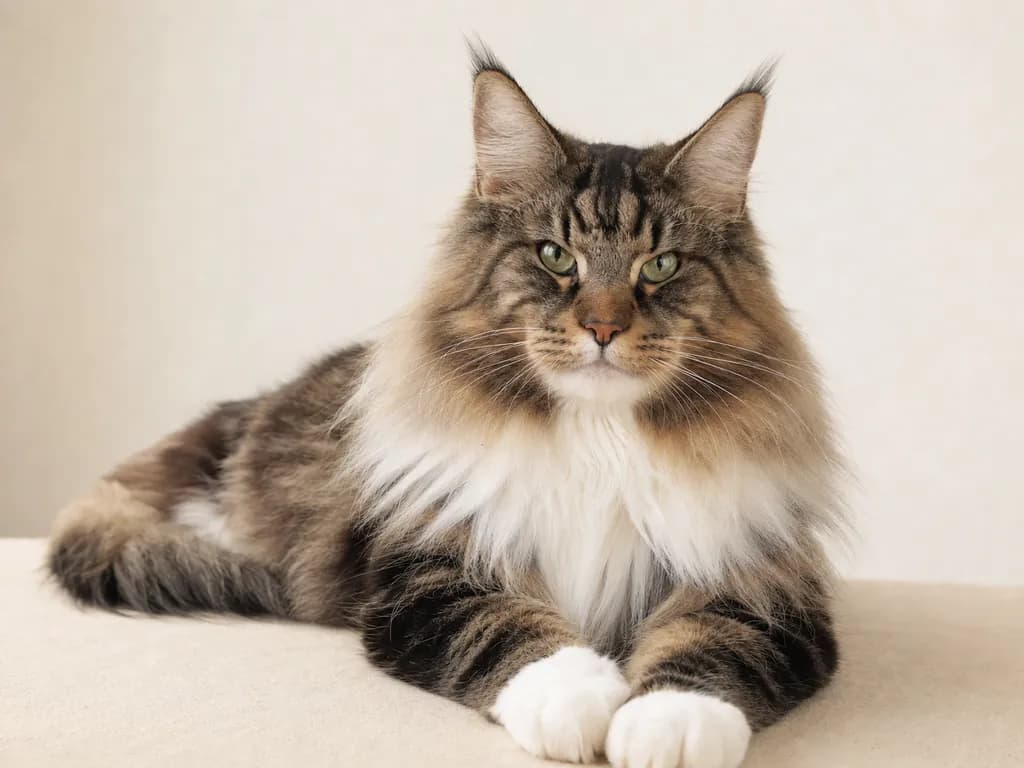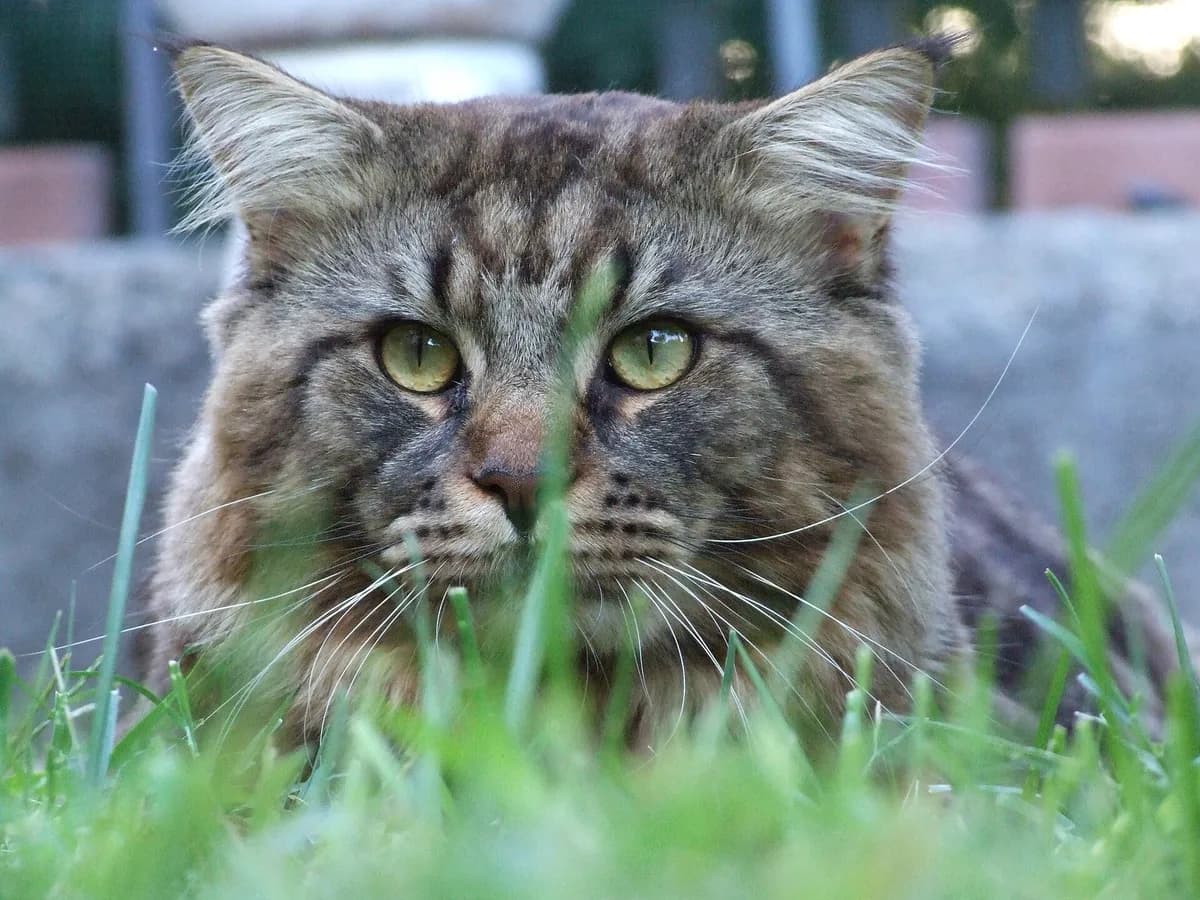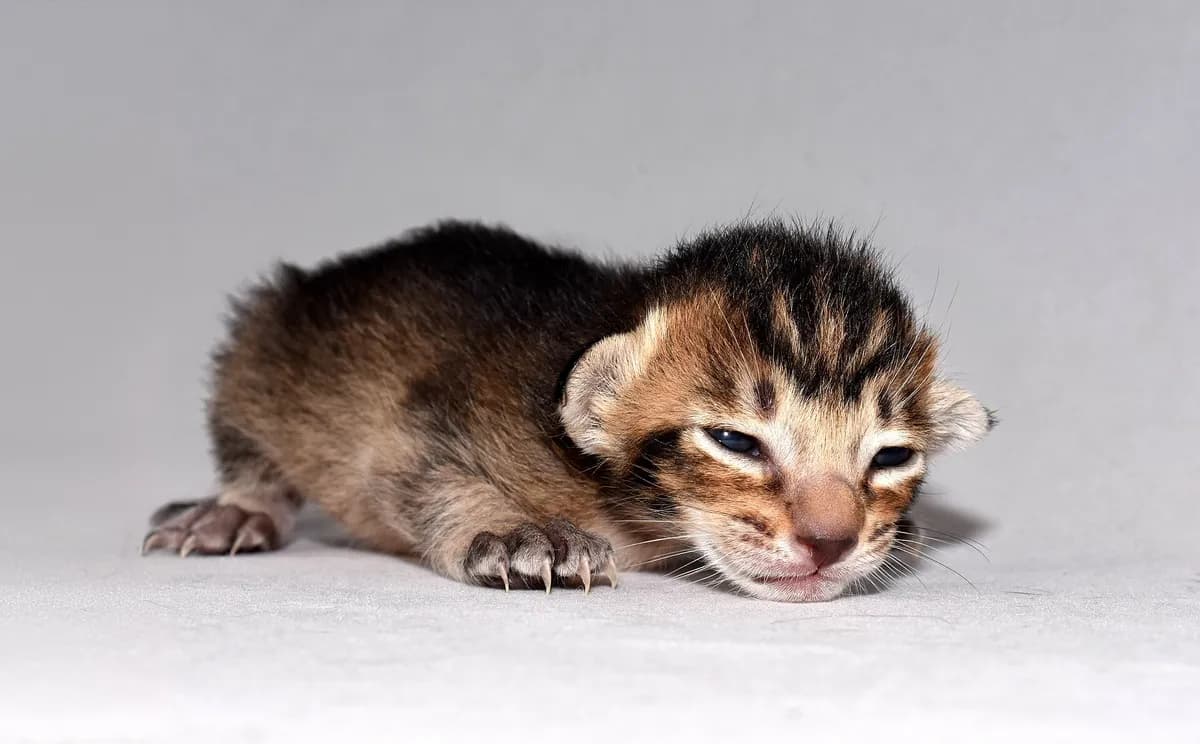
The Siberian is an ancient, muscular native cat of Russia. Built to survive harsh winters with a dense triple coat, Siberians are agile jumpers, deeply affectionate, and often reported to produce lower amounts of the allergen protein Fel d 1.
Key Breed Traits
- Affectionate powerhouse: Siberians are slow to mature (up to 5 years), remaining kitten-like and playful well into adulthood.
- Low Fel d 1 allergen: Many allergy sufferers tolerate Siberians better due to reduced saliva protein levels, though individual testing is essential.
- Love of water and jumping: Possessing strong hindquarters, they easily leap to high places and may enjoy watching running water.
Home & Care Considerations
Common Inherited Conditions & Screening
Responsible breeders screen for hypertrophic cardiomyopathy (HCM) and polycystic kidney disease (PKD). Joint health should be monitored given their heavy, muscular build.
Routine Care, Exercise & Environment
Comb their thick triple coat twice weekly—increasing during seasonal coat blows in spring and autumn. Calculate proper daily protein and energy needs using our Calorie Estimator.
When to Consult a Veterinarian
Seek veterinary attention if you observe coughing, exercise intolerance, or heavy matting that damages the skin undercoat.
Interactive PurrWise Care Tools
Use PurrWise tools to calculate tailored daily nutrition, convert feline age to human years, and check food safety for Siberian cats:
Sources & Scientific References (3)
TICA Siberian Cat Breed Profile
The International Cat Association (TICA) • Accessed 2026-08-03
CFA Siberian Breed Standard
Cat Fanciers' Association (CFA) • Accessed 2026-08-03
Fel d 1 Levels and Allergens in Feline Breeds
World Small Animal Veterinary Association (WSAVA) • Accessed 2026-08-03